
Solar Battery Prices in Pakistan 2026: The Ultimate Guide for Net Billing Users
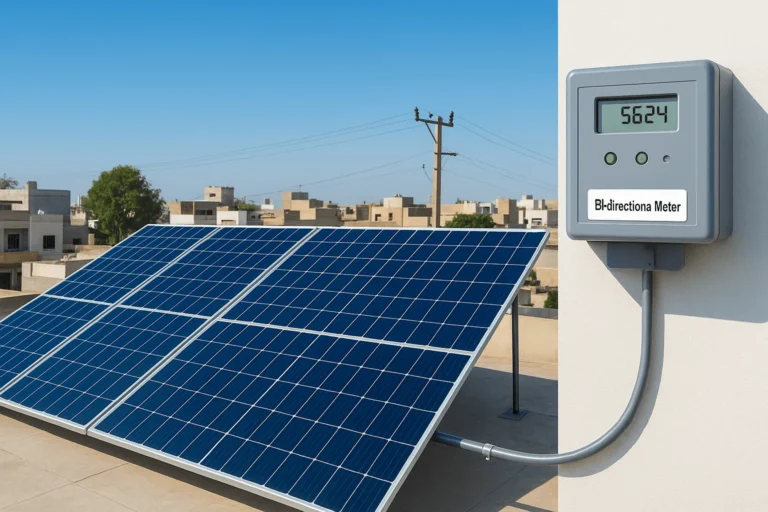
If you are reading this in 2026, you already know the game has changed. The days of “Net Metering” where WAPDA paid you Rs. 20+ for your extra solar units are gone. Under the new NEPRA Prosumer Regulations, you now sell your extra electricity for roughly Rs. 11 per unit—but you buy it back at Rs. 50 to 60 per unit during peak hours.
That’s a loss of almost Rs. 40 on every single unit!
The math is simple: Exporting solar is no longer profitable. The smart move now is to store your daytime solar energy and use it at night. This is why, in the current Pakistani market, battery storage has shifted from a luxury to an absolute necessity.
I have been analyzing the solar market in Pakistan for over two decades. In this guide, I will break down the exact prices, the best brands, and the ROI calculations to help you make a decision that saves you lakhs of rupees.
Current Batteries Market Prices (March 2026 Update)
The market has stabilized in early 2026, with Lithium prices dropping by nearly 18% compared to last year. Here is the real street price you can expect from reputable dealers in Lahore, Karachi, and Islamabad.
Lithium Batteries (The Recommended Option)
Lithium Iron Phosphate (LiFePO4) batteries now dominate the market, capturing over 80% of new residential installations.
| Capacity | Best Brands | Price Range (PKR) | Ideal For |
|---|---|---|---|
| 5 kWh | Narada, Pylontech | Rs. 285,000 – 350,000 | Small Homes (5kW Load) |
| 10 kWh | BYD, Growatt, Narada | Rs. 550,000 – 750,000 | Standard Homes (10kW Load) |
| 15 kWh | Inverex, GoodWe | Rs. 850,000 – 1,100,000 | Villas / Small Factories |
Tubular Lead-Acid Batteries (The Budget Trap)
Many people still ask about Tubular batteries (AGS, Osaka, Phoenix) because the upfront cost is lower. But for Net Billing, they are a bad investment.
| Capacity | Brand | Price Range (PKR) | Lifespan |
|---|---|---|---|
| 200Ah (12V) | AGS / Osaka | Rs. 55,000 – 75,000 | 2 – 3 Years |
| 200Ah x4 (48V) | Exide / Phoenix | Rs. 220,000 – 280,000 | 2.5 Years |
Expert Advice: Tubular batteries die fast in Pakistan’s heat and require constant water refilling. Under Net Billing, you need to cycle (charge/discharge) your battery daily. Tubular batteries will fail within 2 years under this stress. Avoid them.
Why Lithium is the Clear Winner
Don’t let the high upfront price of Lithium scare you. Let’s look at the long-term math. A Tubular battery costs less initially but ends up costing double over 10 years.
The Real Cost Comparison (10kWh System):
| Feature | Lithium (LiFePO4) | Tubular Lead-Acid |
|---|---|---|
| Upfront Cost | ~Rs. 650,000 | ~Rs. 280,000 |
| Lifespan | 10-15 Years (6,000+ cycles) | 2-3 Years (800 cycles) |
| Usable Capacity | 90-100% | 50% (You can’t drain them fully) |
| Maintenance | Zero (Set and forget) | Monthly distilled water top-up |
| Total Cost for 10 Years | Rs. 700,000 (One time) | Rs. 1,200,000+ (3-4 replacements) |
Verdict: You save Rs. 500,000 over a decade by choosing Lithium. Plus, Lithium handles Pakistan’s 45°C+ summer heat much better than lead-acid.

Top Battery Brands in Pakistan (2026 Rankings)
Not all Lithium batteries are equal. Based on local service centers, warranty claims, and performance in the Pakistani grid environment, here are the top contenders:
Narada
Narada currently offers the best price-to-performance ratio in Pakistan. Their service centers in Karachi, Lahore, and Islamabad respond within 48 hours. It is the top choice for homeowners who want reliability without paying the premium “brand tax.”
Pylontech
As the world leader in rack-mount batteries, Pylontech is extremely reliable. However, import delays often cause stock shortages in Pakistan. If a cell fails, replacement parts can take weeks to arrive via import.
BYD
BYD makes batteries for electric cars (EVs), so the quality is car-grade. The only downside is the premium pricing. You pay extra for the brand name, which might not be necessary for a standard home installation.
Inverex
Inverex is excellent for local availability with 24-hour support in major cities. The only trade-off is that their standard warranty is usually 5 years, which is shorter than the 10-year industry standard offered by others.
Growatt
Growatt is a great option if you already have a Growatt Inverter, as the battery integrates seamlessly. However, their independent service network is still growing compared to the giants.
Does a Battery Actually Pay for Itself? (ROI Calculation)
This is the most common question I get: “Is battery worth it with Rs. 11 export rate?”
Let’s calculate the ROI for a typical 10kW System in Karachi with a 10kWh Lithium Battery.
Calculate your battery payback using our Net Billing Calculator
Scenario A: Without Battery (Pure Net Billing)
- Solar Production: 1,300 units/month
- Self-Consumption: 65% (You use 845 units for free)
- Export to Grid: 455 units × Rs. 11 = Rs. 5,005 Credit
- Bill Import Cost: Rs. 18,000/month
- Net Monthly Bill: Rs. 13,000 (18,000 – 5,000)
Scenario B: With Battery (Optimized Self-Use)
- Self-Consumption: 80%+ (Battery stores extra solar for night)
- Export to Grid: Minimal (260 units) × Rs. 11 = Rs. 2,860 Credit
- Bill Import Cost: Rs. 9,000/month
- Net Monthly Bill: Rs. 6,140 (9,000 – 2,860)
The Bottom Line:
- Monthly Savings with Battery: Rs. 6,860
- Annual Savings: Rs. 82,320
- Battery Cost: Rs. 650,000
- Payback Period: 7.9 Years
Conclusion: While 8 years sounds long, remember: Electricity prices in Pakistan historically rise 10-15% every year. Your actual payback will be closer to 5-6 years. After that, the savings are pure profit for the remaining life of the battery (another 5+ years).
How to Choose the Right Size Battery
Don’t guess your battery size. Use this rule of thumb based on your monthly electricity bill.
| Monthly Bill | Recommended Battery | Expected Backup | Estimated Price |
|---|---|---|---|
| Rs. 5,000 – 10,000 | 5 kWh | 4 – 6 Hours (Night) | Rs. 300,000 |
| Rs. 15,000 – 25,000 | 10 kWh | 6 – 8 Hours (Night) | Rs. 650,000 |
| Rs. 30,000+ | 15 – 20 kWh | Full Night + AC | Rs. 1M+ |
Pro Tip: Your battery should be sized to store the energy you generate between 10 AM and 4 PM (peak sun hours) that you otherwise would have sold to the grid for Rs. 11.
A Special Guide for Karachi (K-Electric Users)
Karachi has a unique environment that makes battery storage critical.
Peak Tariff Strategy: K-Electric peak hours (7 PM – 11 PM) charge nearly Rs. 62.73 per unit. This is exactly when your battery should be running your house. Discharging a battery during these hours gives you the highest value for your stored energy.
Load Shedding Reality: Many areas still face 4-6 hours of load shedding. Net Billing systems shut down during outages unless you have a battery backup.
Heat Factor: Summer temperatures in Karachi easily cross 42°C. LiFePO4 batteries have built-in thermal management and can handle this heat. Tubular batteries will swell and fail in this climate.
Best Combo for Karachi (2026):
- Inverter: Growatt 10kW Hybrid (excellent for KE grid frequency)
- Battery: Narada 10kWh LiFePO4 (proven heat tolerance and fast local service).
Hidden Costs: Installation Breakdown
When budgeting, don’t just look at the battery price. A complete installation in 2026 looks like this:
- Battery Unit (10kWh): Rs. 650,000
- BMS & Wiring Kits: Rs. 50,000
- Battery Rack/Cabinet: Rs. 25,000
- Installation Labor: Rs. 25,000
- Hybrid Inverter Upgrade: Rs. 150,000 (If you currently have an on-grid inverter, you MUST upgrade to a Hybrid inverter to add batteries).
Total Estimated Investment: Rs. 900,000
Buying Checklist for Battery 2026 (Don’t Get Scammed)
Before you hand over your cash, check these features to ensure you are getting a genuine product:
- Chemistry: Must be LiFePO4 (Lithium Iron Phosphate). Do not buy NMC or other chemistries; they are not as safe for home use.
- BMS: Ensure it has a Built-in Battery Management System. This protects the battery from overcharging and overheating.
- Voltage: Always go for 48V systems for homes (compatible with 5kW+ inverters). Avoid 12V systems; they have high wiring losses.
- Cycles: The datasheet must guarantee 6,000+ cycles at 80% Depth of Discharge (DoD).
- Warranty: Minimum 10 Years. If a dealer offers 3-5 years, the battery is likely low-quality.
Final Verdict: Wait or Buy?
Prices dropped 18% in 2025 and are expected to drop another 5-10% by July 2026. However, waiting 6 months to save Rs. 30,000 means losing out on 6 months of savings (approx Rs. 40,000).
My Advice: If you have the budget, buy now. The savings from avoiding the grid (Rs. 50/unit) far outweigh the potential small price drop in the battery itself. The technology is mature, the prices are stable, and for Net Billing users, it is the only way to keep your electricity bills near zero.